IMSL logo Dongguk UniversitySeoul, Korea
Dongguk University | Mechanical, Robotics and Energy Engineering

Intelligent Multiphysics
Systems Laboratory

IMSL, Dongguk University, Seoul

Integrate Physics. Empower Design.
Multiphysics CFD for Energy Systems: from fundamental modeling to AI-driven design

About IMSL

Understand the physics, model it quantitatively, and turn it into design

Energy conversion devices couple reaction, heat, flow, and electricity at the same time. Looking at the reaction alone or the flow alone cannot predict how a real device performs. IMSL resolves these phenomena together with multiphysics CFD and combines it with AI to design next-generation hydrogen and zero-carbon power devices such as SOFC/SOEC stacks.

"Understand the Fundamental Physics, Model it Quantitatively, and Translate it into Engineering Design"

Physics understanding

  • Governing equations
  • Mass/species, momentum
  • Energy, reaction

Quantitative CFD modeling

  • CAD, computational domain
  • Meshing
  • Initial/boundary conditions

Design & optimization

  • Velocity, temperature, reaction fields
  • Operating maps
  • AI-based optimization

Prototyping

  • Fabrication and experimental validation
  • Performance evaluation
  • Database
Fluid flowHeat transferMass transfer Surface / thermochemical reactionElectrochemistryAI / surrogate model
28SCI(E) papers (9 as first/corresponding author)
12Registered patents (KR 7, US 3, JP 2)
4Technology transfers
4Projects as PI
Research

Research Areas

On a consistent CFD methodology, we have steadily expanded the physics we resolve: from fluid dynamics to surface reactions, electrochemistry, and AI-integrated design.

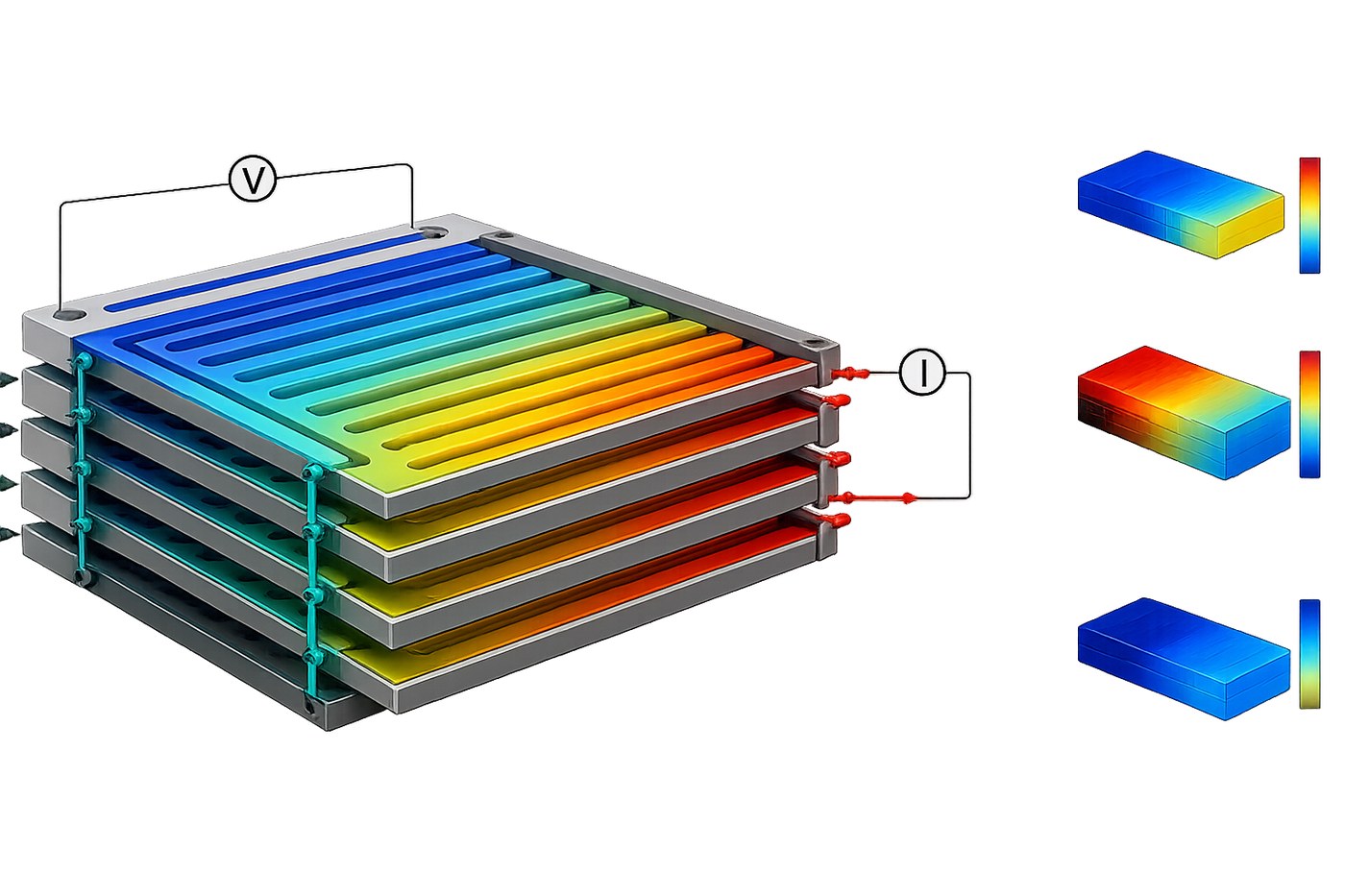
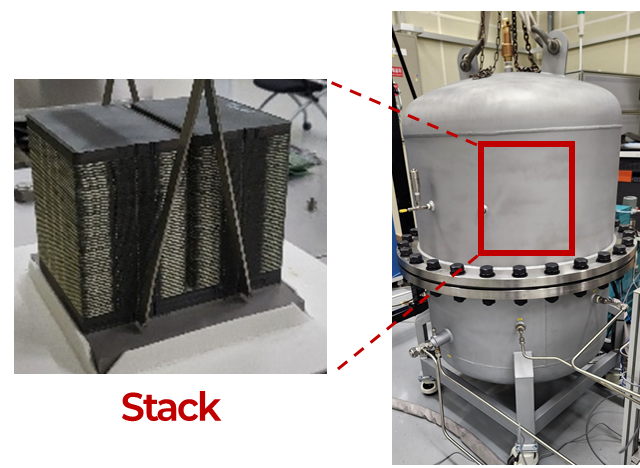
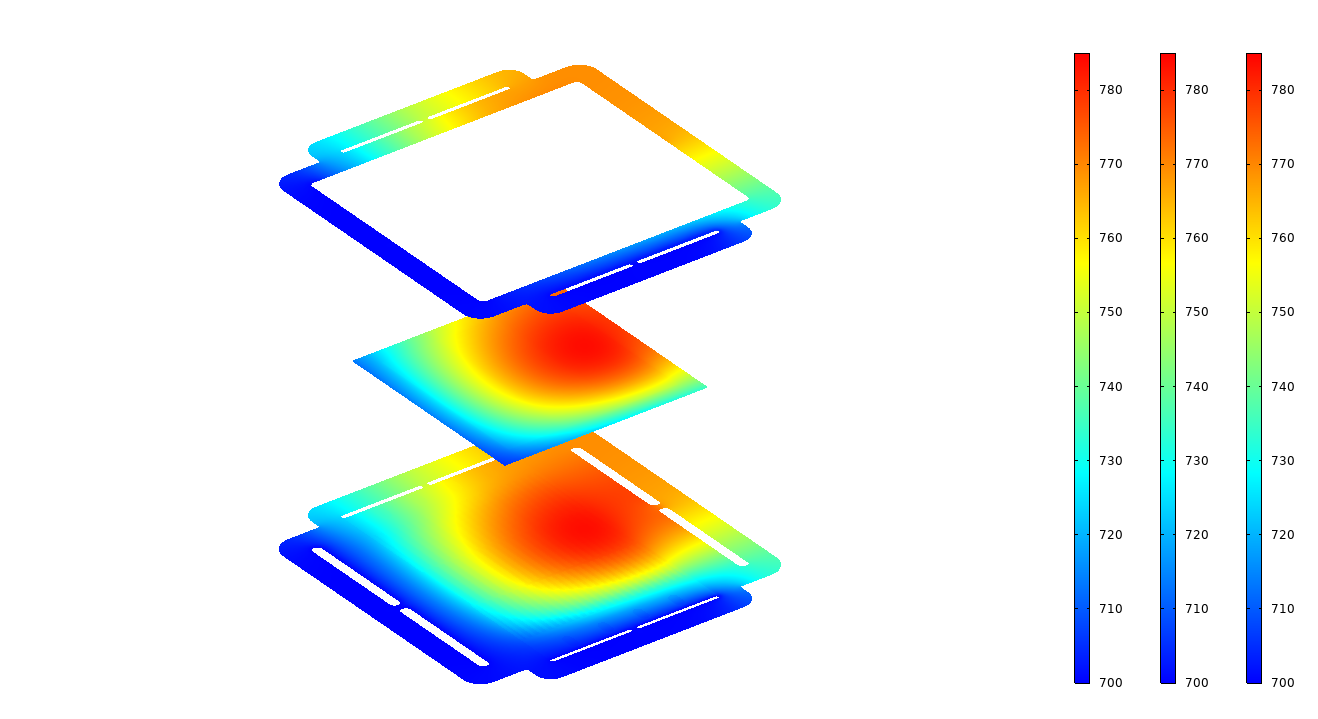
Cell-by-cell temperature distribution in an SOFC stack
01

Multiphysics CFD for SOFC/SOEC

3D multiphysics analysis of solid oxide fuel and electrolysis cells
  • High-fidelity 3D models coupling mass, momentum, energy, charge, and reaction (Ansys Fluent + UDF)
  • From a single channel (1 cm x 10 cm) to commercial cells (15 x 15 cm2) and stacks (15 x 15 x 25 cm3)
  • Transient thermo-electrochemical behavior under load change
  • Bipolar plate and manifold design by controlling thermal and flow resistance
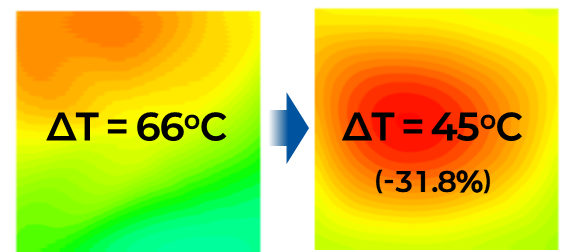
Temperature deviation -65%Flow deviation -60%Stack ΔT 66 -> 45 °C
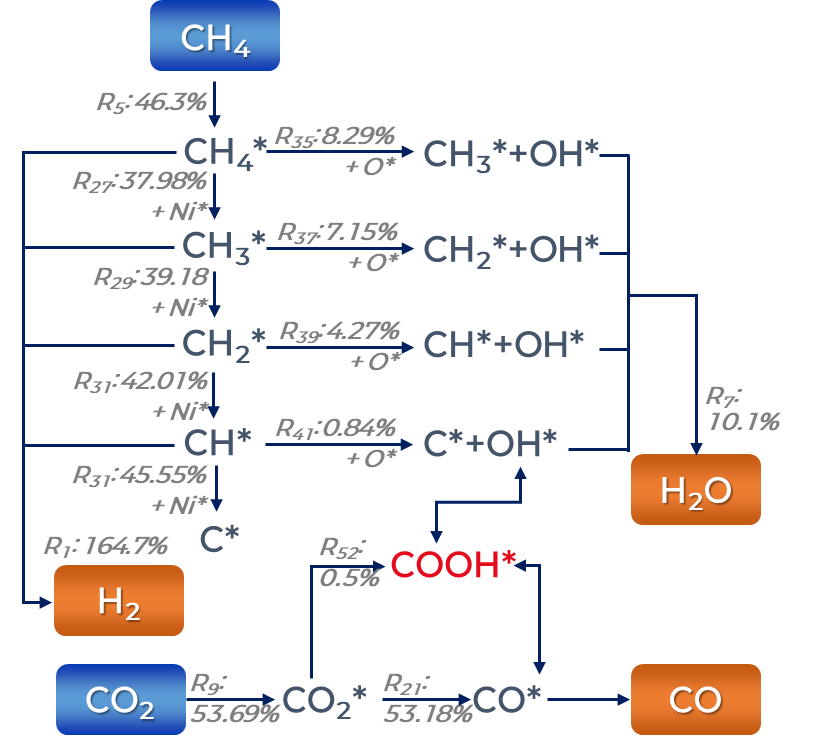
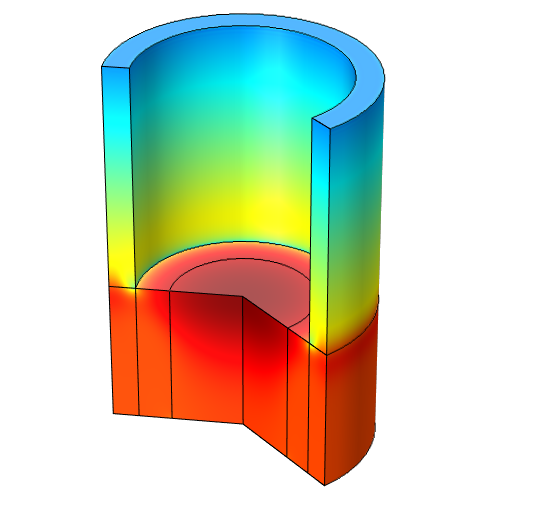
Surface reaction pathways of CH4 reforming
02

Reacting Flow & Reaction Kinetics

Surface reacting-flow analysis and reaction mechanism development
  • 2D flow + surface reaction models of catalytic CH4 reforming reactors
  • Automated optimization of surface reaction mechanisms with a genetic algorithm (GA)
  • Reaction pathways identified with in-situ XPS, FT-IR, and DFT calculations
  • Experimental validation with GC/MS residual gas analysis (RGA)
Micro-kineticsGenetic algorithmCatalytic reactor
AI and CFD integrated stack analysis
03

AI-CFD Integrated Design

Multi-objective optimal design combining AI and CFD
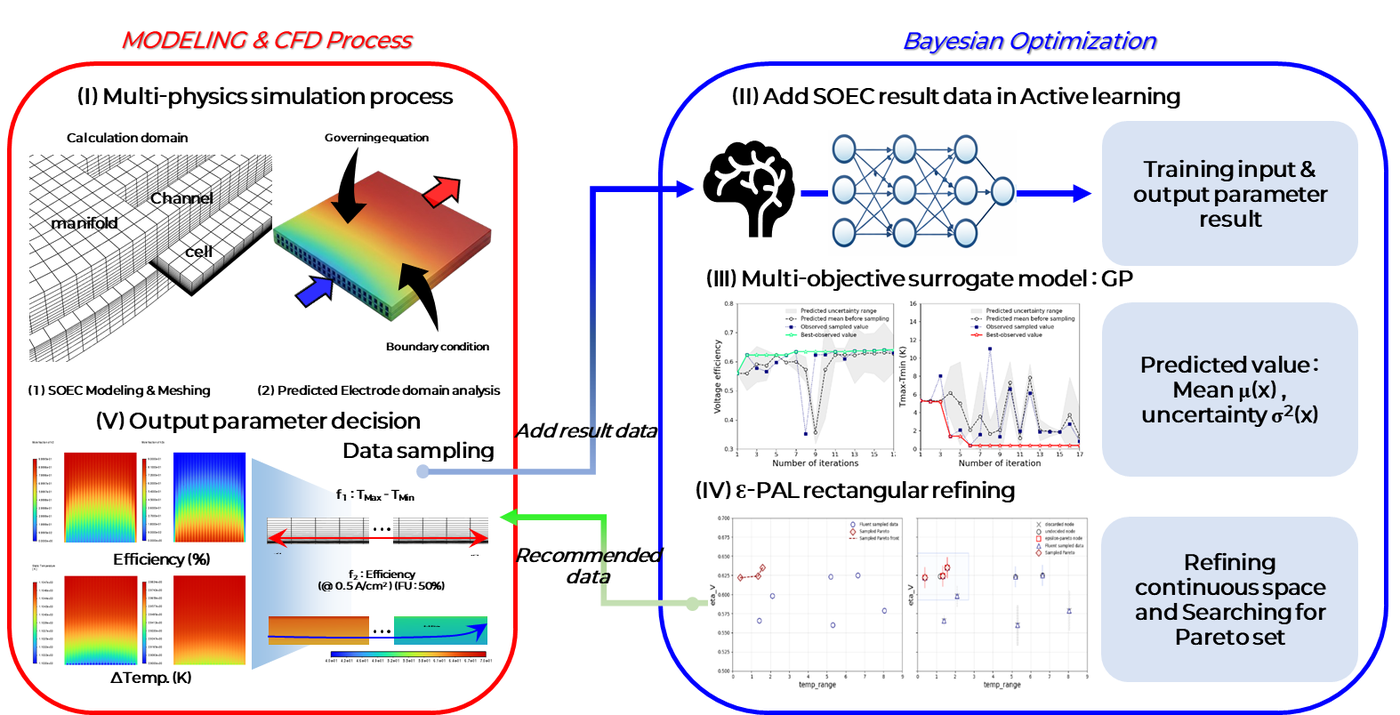
  • Bayesian optimization and active learning to cut CFD computing cost
  • Gaussian process (GP) multi-objective surrogate models and ε-PAL Pareto search
  • SOEC operating conditions that lower the thermal gradient (ΔT) and raise efficiency (η)
  • Stack design platform based on physics-informed neural networks (PINN)
Bayesian optimizationSurrogate modelPINN
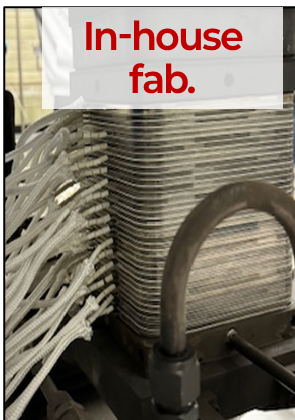
1 kW NH3-SOFC stack
04

Stack & System for Green H2

NH3-SOFC and SOEC stack fabrication and system analysis
  • In-house 1 kW-class NH3-SOFC full stack (40 cells) with long-term operation
  • Pressurized (3 bar) NH3-SOFC system co-producing electricity and hydrogen
  • Internal cascade stacks that maximize fuel utilization
  • Next-generation SOEC with steam sweep gas on the air electrode
Cell voltage deviation 31 mVTotal efficiency 88.1%Stack FU 93.75%
2014-2016 | M.S.

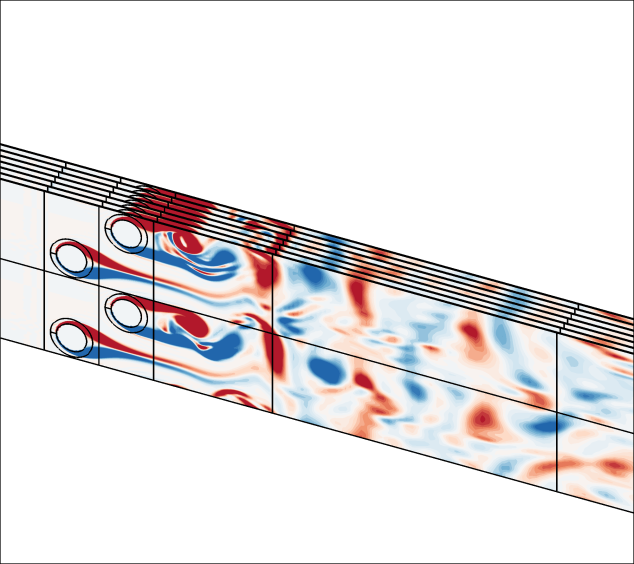
Fluid dynamics

Coronary blood flow, cross-flow fan aeroacoustics (uRANS)

Air flow simulation
2017-2021 | Ph.D.

Fluid + Surface reaction

Micro-kinetics, reaction mechanism development

Reactor simulation
2022-2026 | KIMM

+ Electrochemistry

Multiphysics models, SOFC modeling, stack design

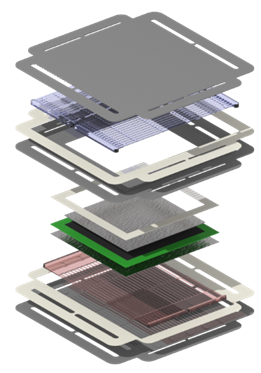
SOFC stack components
2026 - | Dongguk

AI-integrated design

Bayesian optimization, surrogate models, CFD/AI integration

AI-integrated design
Highlights

Research Highlights

"CFD is a tool for solving real problems." Our work goes beyond analysis to design, fabrication, validation, and technology transfer.

Reduced stack temperature difference
NH3-SOFC stack design optimization

A dual alternative cross-flow design cut the temperature difference inside the stack from 66 °C to 45 °C (-31.8%). (Energy Conversion and Management, 2023)

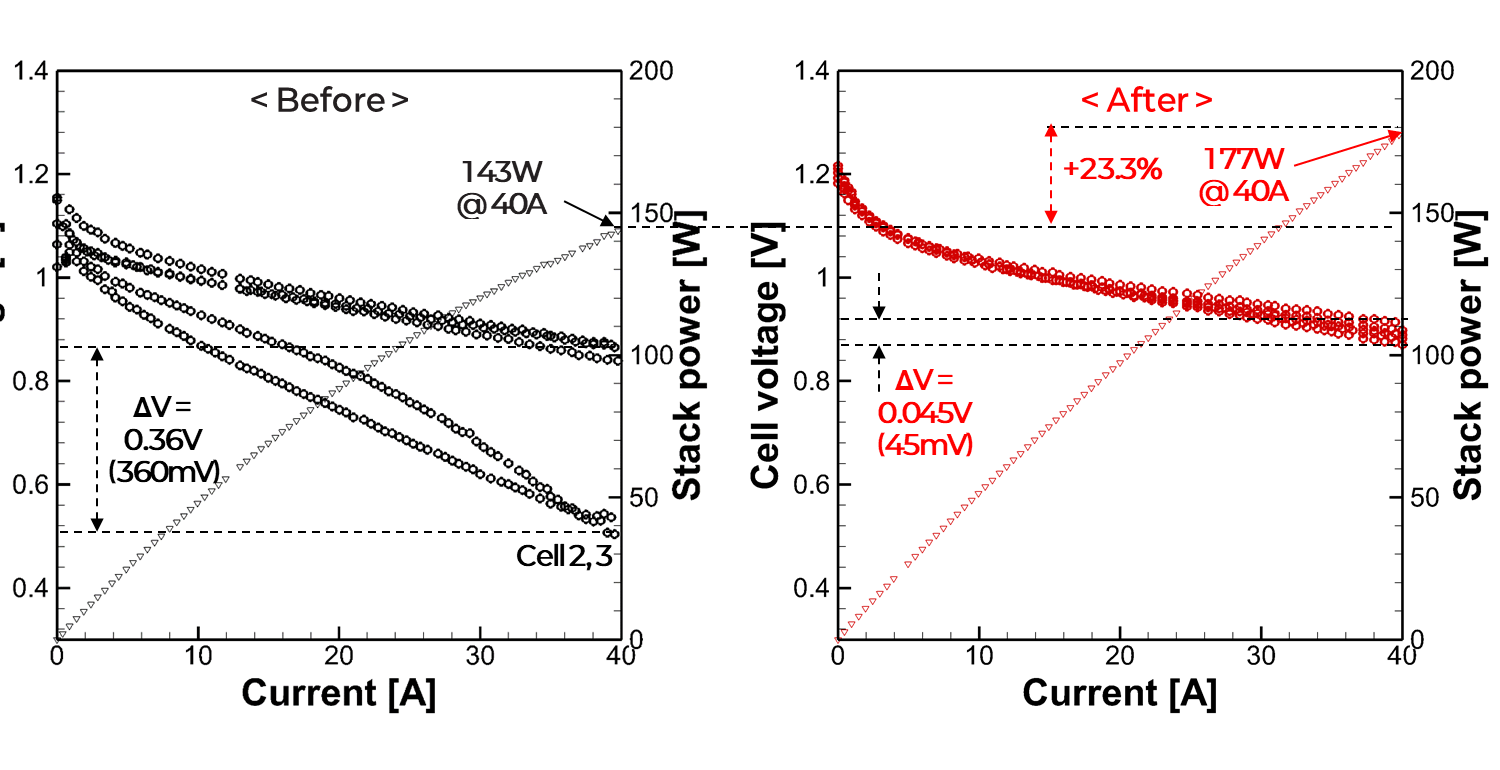
5-cell stack performance comparison
Improved stacking technology

Better bipolar plate roughness, sealing, and an alignment guide reduced the cell-to-cell voltage deviation of a 5-cell stack from 0.36 V to 0.045 V and raised power by 23.3%.

Pressurized chamber and stack
Pressurized NH3-SOFC for electricity and hydrogen

Operated in a 3 bar pressurized chamber, the system co-produces electricity and high-purity hydrogen with a total efficiency of 88.1%.

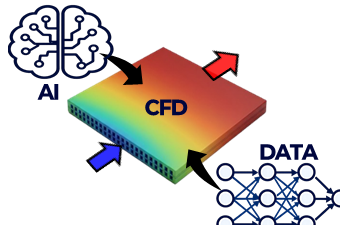
AI-CFD integrated optimization workflow
AI-CFD optimization of SOEC operation

CFD results are added to a GP surrogate through active learning to find the Pareto optimum between ΔT and efficiency. (Applied Thermal Engineering, 2026)

Vision

Research Vision

Building on a CFD/AI platform, we will extend our work step by step to safety-driven device design and space resource utilization.

Short-termCFD + AI Platform
CFD and AI platform
  • Physics-based AI (PINN)
  • Zero-carbon power (NH3-SOFC)
  • Green hydrogen production (SOEC)
Mid-termSafety-driven Design
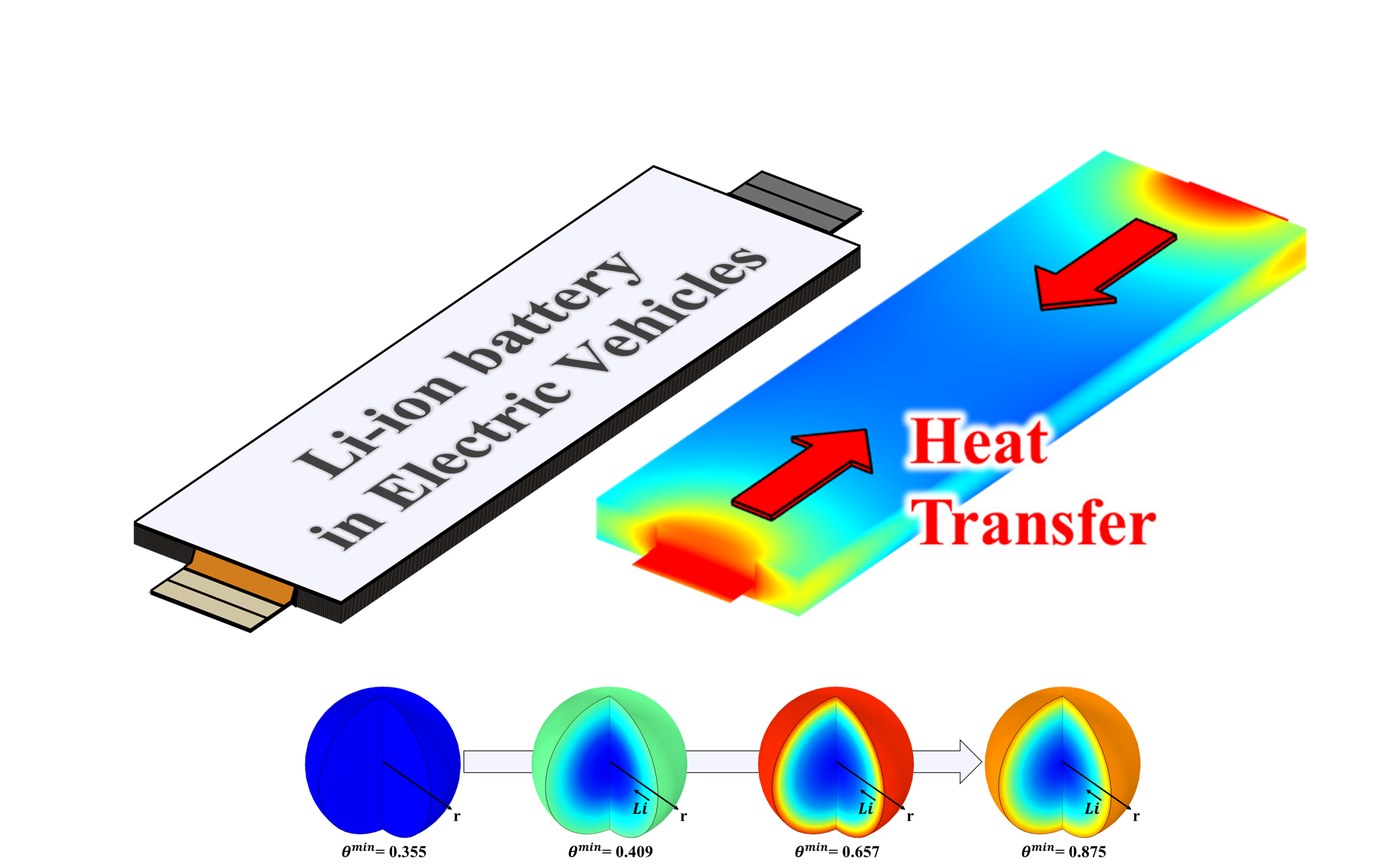
Battery heat transfer analysis
  • Safety prediction for SOFC, SOEC, and batteries
  • Battery thermal runaway analysis
  • AI-based diagnosis with experimental partners
Long-termSpace Engineering
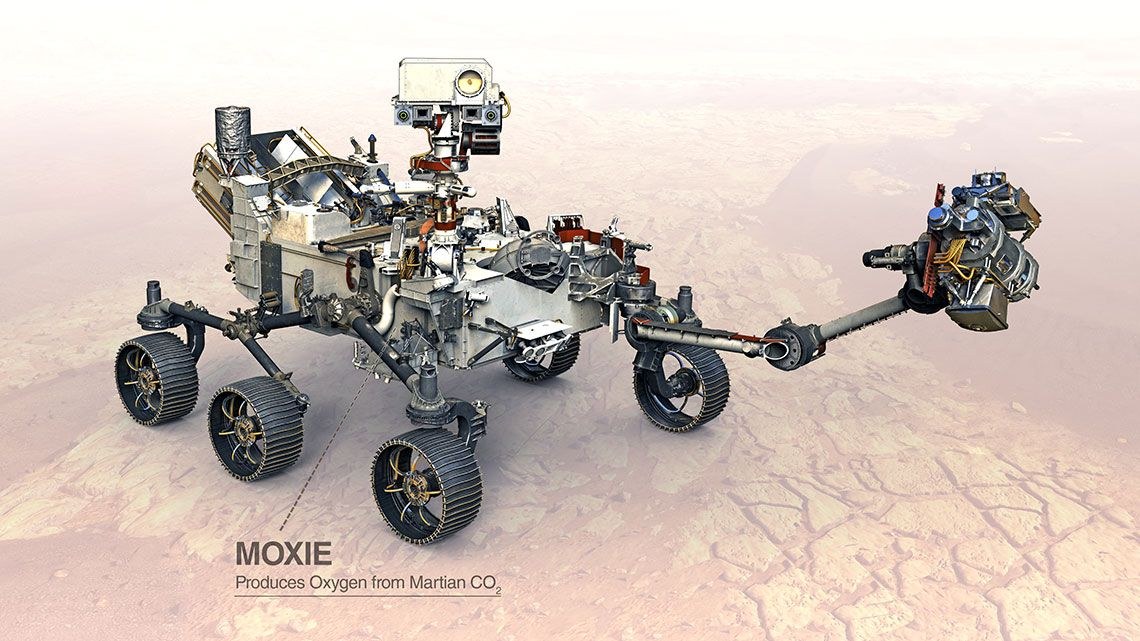
Mars rover
Image: NASA/JPL-Caltech
  • Mars ISRU (In-Situ Resource Utilization)
  • H2O/CO2 co-electrolysis
  • On-site fuel/oxidizer (CH4 + O2) production
Principal Investigator

Principal Investigator

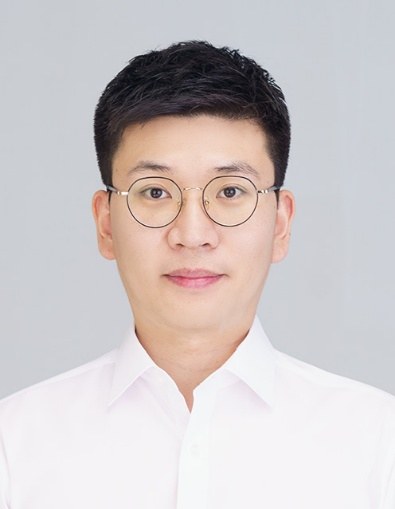
Prof. Yonggyun Bae
Yonggyun BaePh.D.Assistant Professor, Mechanical, Robotics and Energy Engineering

Education

  • Ph.D., Mechanical Engineering, Yonsei Univ.2021
    Advisor: Prof. Jongsup Hong
  • M.S., Mechanical Engineering, Korea Univ.2016
    Advisor: Prof. Young J. Moon
  • B.S., Mechanical Engineering, Korea Univ.2014

Professional Experience

  • Assistant Professor, Dongguk University2026-
  • Senior Researcher, Korea Institute of Machinery and Materials (KIMM)2022-2026
  • Postdoctoral Researcher, Yonsei Univ.2021-2022
  • Research Assistant, KIST2016-2018
  • Expert Advisory Committee for Renewable Energy, Seoul Metropolitan Government2025-2027
  • Planning Advisory Committee for New R&D Projects, KETEPFY2025, FY2026

Research Projects (P.I.)

  • High-efficiency SOEC stack with simultaneous steam supply to both electrodes (KETEP International Joint R&D)2025-2026
  • Optimal bipolar plate flow channels to suppress SOEC steam-electrode degradation (NRF H2GATHER)2025-2026
  • Start-up and AI-based health management of ammonia SOFC systems (KIMM ACE)2026
  • Multiphysics numerical model for water electrolysis (POSCO Holdings)2023

Awards

  • Best Paper Award, Korean Hydrogen & New Energy Society2023, 2025
  • Best Paper Award, School of Mechanical Engineering, Yonsei Univ.2018
  • Best Doctoral Paper, Graduate School of Yonsei Univ.2018
  • Best Paper Award, Korean Ceramic Society2025

Expertise

  • Fundamental 3D numerical simulation
  • Multiphysics reacting-flow phenomena (CFD)
  • SOC stack design (bipolar plate, stacking)

Papers & Patents

  • SCI(E) papers: 9 first/corresponding, 19 co-authored
  • Registered patents: 12 (KR 7, US 3, JP 2)
  • Patent applications: KR 15, PCT 2
  • Technology transfer: 4
Publications

Publications

29 international and 15 domestic journal papers. Y.G. Bae in bold; * marks the corresponding author.

    Full list: Google Scholar, ORCID

    Network & Teaching

    Collaboration and Teaching

    Research Network

    University
    Korea: Yonsei, Korea Univ., KENTECH, Incheon National Univ.
    Abroad: University of Toronto, Stanford, KIT
    National Lab.
    Korea: KIMM, KIER, KIMS, KICET
    Abroad: NRCan, DLR, KIST Europe
    Industry
    HD Group, Samsung Group

    We handle computation, modeling, and design together with partner labs in experiments, materials, and synthesis, and we are extending our work to batteries, e-fuels, and the space industry.

    Teaching

    MATLAB/Python for Mechanical EngineersThermodynamicsFluid DynamicsHeat Transfer Combustion and Fuel CellsEnergy Conversion EngineeringRenewable Energy
    Tier 1. PhysicsFundamental physics, basic modeling
    Tier 2. CFDMultiphysics CFD, simulation and analysis
    Tier 3. DeviceDevice design and implementation
    Members

    Members

    Yonggyun Bae
    Yonggyun BaePrincipal Investigator
    +
    M.S./Ph.D. studentsRecruiting
    +
    Integrated M.S.-Ph.D.Recruiting
    +
    Undergraduate internsRecruiting

    Join IMSL

    We are recruiting graduate students (M.S., Ph.D., integrated M.S.-Ph.D.) and undergraduate research interns.

    Students interested in thermal-fluid engineering, CFD, hydrogen and fuel cells, or AI are welcome regardless of their background.

    • Multiphysics CFD with Ansys Fluent and programming in Python/MATLAB
    • Design projects on real energy devices such as SOFC/SOEC and batteries
    • Joint research with institutes and companies in Korea and abroad, and presentations at international conferences

    Career Pathways

    We support career paths through our industry-academia network, including government research institutes such as KIMM, HD Group, and Samsung Group.

    How to apply

    Send your CV and a short statement of your research interests to ygbae@dgu.ac.kr.

    Contact
    Contact

    Contact

    Intelligent Multiphysics Systems Laboratory

    Department of Mechanical, Robotics and Energy Engineering, Dongguk University

    Manhae Hall B103, 30 Pil-dong-ro 1-gil, Jung-gu, Seoul 04620, Republic of Korea

    Email: ygbae@dgu.ac.kr

    Tel: +82-2-2260-3705

    ORCID: 0000-0002-4394-3194

    Research Keywords

    Multiphysics CFDSOFCSOECNH3 fuel cell Green hydrogenReacting flowReaction kineticsStack design Bayesian optimizationPINNBattery safetyMars ISRU